
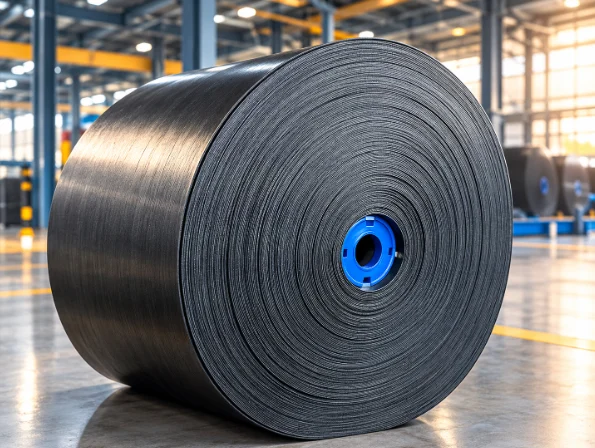
Conveyor belts move materials across factories, mines, and processing plants every day. Some environments produce extreme heat. In these places, ordinary belts wear out fast. They crack, melt, or lose strength. This is why industries turn to heat-resistant conveyor belts. These belts are built to handle high temperatures without breaking down. They keep operations running smoothly and safely.
This article explains what heat-resistant belts are, how they work, what materials they use, and how to pick the right one for your needs.
What Are Heat-Resistant Conveyor Belts
Heat-resistant conveyor belts are designed to carry hot materials or work in hot conditions. They are common in steel plants, cement factories, foundries, and recycling units. These belts are made with special covers and layers that resist heat damage.
A well known option in this category is the Rentone Belt, which is built to handle continuous exposure to high temperatures while still moving materials efficiently. Many plant managers choose belts like this because they need equipment that lasts longer and needs fewer replacements.
Standard rubber belts simply cannot survive in these settings. Heat-resistant belts fill that gap and keep production lines active without frequent stops.
How Heat-Resistant Belts Work
The working principle behind these belts is simple. They use materials that do not soften or break down when exposed to heat. Most belts have several layers. The top layer, often called the cover, touches the hot material directly.
This layer is made from special rubber compounds or synthetic materials that resist burning and cracking. Below the cover, there are fabric or steel layers. These layers give the belt strength and help it carry heavy loads. The layers work together. The cover protects against heat, and the inner layers provide durability and support.
When hot material sits on the belt, the heat spreads slowly through the cover. The design slows this heat transfer so the inner layers stay safe. This keeps the belt from stretching, tearing, or losing shape during operation.
Materials Used in Heat-Resistant Belts
Manufacturers use different materials depending on how much heat the belt must handle. Some common materials include:
- EPDM rubber: Known for withstanding moderate to high heat and resisting weather damage.
- Silicone coatings: Used for belts that face very high temperatures, often above 200 degrees Celsius.
- Aramid fibers: Added for extra strength and heat resistance in demanding industries.
- Steel cord reinforcement: Used in belts that carry heavy hot materials like molten metal or hot clinker.
Each material serves a purpose. Rubber compounds handle general heat resistance. Fabric and steel layers add strength. Together, they create a belt that performs well under pressure and high temperatures. Choosing the right combination depends on the specific industry and the temperature range involved.
Choosing the Right Belt for Your Industry
Picking a heat-resistant belt is not a simple task. You need to think about several factors before making a decision. First, consider the maximum temperature your process reaches. Some belts handle up to 150 degrees Celsius, while others handle much more. Second, think about the type of material being transported. Sharp or abrasive materials may need extra protection layers. Third, consider the load capacity. Heavier materials require belts with stronger reinforcement.
It also helps to check the belt’s flame resistance rating, especially in industries where fire safety matters. Many suppliers provide detailed specification sheets that explain these properties clearly. If you want more technical details on belt specifications, testing standards, and industry applications, you can read more on manufacturer websites or trusted industrial resource pages. This helps you compare options and choose wisely based on your specific needs.
Talking to a supplier before purchasing is also useful. They can guide you based on your equipment and working conditions. A good supplier will ask about your process temperature, belt speed, and material type before recommending a product.
Maintenance Tips for Longer Belt Life
Even heat-resistant belts need proper care. Regular maintenance extends their lifespan and keeps operations safe. Here are some simple tips:
- Inspect the belt regularly for cracks or surface damage.
- Keep the belt clean and free from material buildup.
- Check tension levels to avoid unnecessary strain.
- Replace worn sections before they cause bigger problems.
- Train staff to spot early signs of wear.
Following these steps reduces downtime and saves money in the long run. A well maintained belt performs better and lasts longer, even under tough heat conditions.
Conclusion
Heat-resistant conveyor belts play an important role in industries that deal with high temperatures. They protect equipment, reduce downtime, and keep operations safe. Understanding how these belts work helps you make better choices for your business. From material selection to proper maintenance, every detail matters.
Whether you are setting up a new production line or replacing old equipment, choosing the right heat-resistant belt will save time and money. With the right information and proper care, these belts can serve your industry reliably for years to come.