
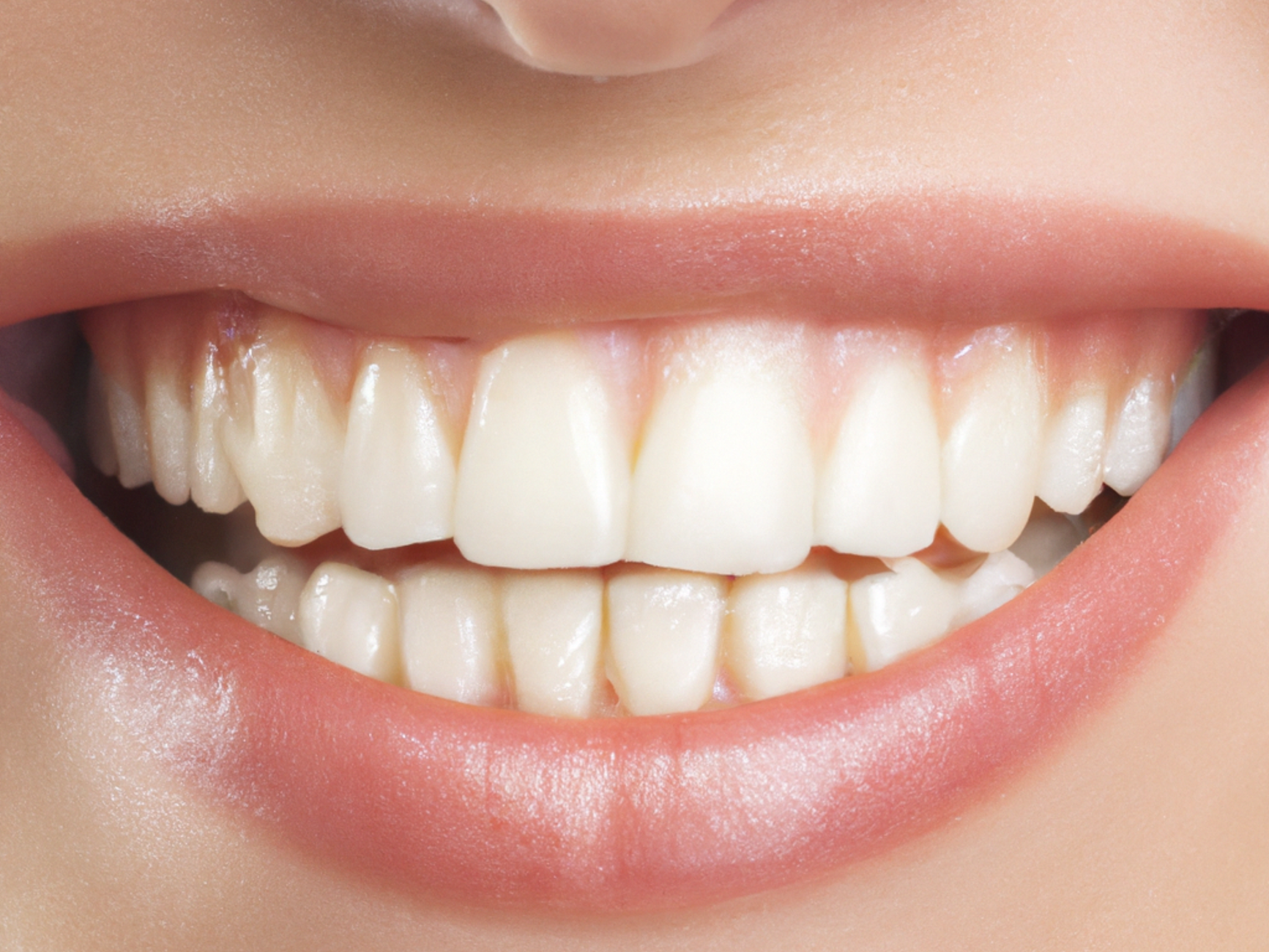
You notice it when you smile in the mirror, or when one front tooth suddenly looks longer than the one beside it. Maybe your gums seem to sit higher on one tooth and lower on the next, even though the teeth themselves match. That can feel unsettling fast. Most people do not know whether they are seeing normal variation, gum recession, swelling, or the start of gum disease. The good news is that a general dentist has a clear way to sort that out, and the answer usually comes from a careful exam rather than guesswork. In some cases, people exploring treatment options like Livermore dental implants may also benefit from that same evaluation.
When dentists look at uneven gum height around matching teeth, they are not just judging appearance. They are checking the position of the gumline, the health of the tissue, the shape of the bone under it, the way your teeth bite together, and whether brushing habits, inflammation, or past dental work have changed the area. In many cases, the issue is treatable, and catching it early helps protect both your smile and the support around the tooth.
Uneven gum height often points to more than a cosmetic concern
Two similar teeth should usually have a fairly balanced gumline. If one side looks higher or lower, your dentist starts by asking when you first noticed it and whether anything else changed. Bleeding when you brush, tenderness, bad breath, sensitivity to cold, or food trapping near the gumline can all matter. A gumline that looks uneven may come from irritation and swelling, which can make one side seem fuller. It can also come from recession, where the gum pulls away and exposes more of the tooth.
This is where people get confused. Swollen gums can make a tooth look shorter. Receding gums can make a tooth look longer. Both can happen in the same mouth, and sometimes near the same area. That is why gum height asymmetry evaluation is not just a visual opinion. A dentist checks whether the gums are inflamed, whether there are periodontal pockets, and whether the tissue attaches normally around each tooth.
If plaque and tartar have built up under the gumline, the tissue may react by swelling or separating from the tooth. The National Library of Medicine explains that gum disease can begin with red, swollen, or bleeding gums, and if it progresses, it can damage the structures that hold teeth in place. That can change gum height over time.
General dentists assess uneven gums with measurements, imaging, and bite analysis
A general dentist usually begins with a close visual exam. They compare the shape of the gums around matching teeth, often the front teeth, because small differences stand out there. Then they measure the depth of the space between tooth and gum with a periodontal probe. If one tooth has deeper pocketing than the tooth beside it, that can point to inflammation, attachment loss, or bone changes underneath.
Dental X rays often follow. The gumline sits over bone, so uneven bone support can explain why one tooth’s gum level has shifted. If a filling or crown sits too close to the gum, that can also irritate the tissue. A dentist will look for overhanging dental work, decay near the gumline, and signs of clenching or trauma from your bite.
You may also hear the dentist talk about biologic width or tissue architecture. In plain terms, they are checking whether the gum has enough healthy space to sit around the tooth without being constantly irritated. If one tooth erupted differently, if you had orthodontic movement, or if the roots sit at slightly different angles, the gums may not frame both teeth the same way.
How general dentists assess uneven gum height around similar teeth often comes down to one basic question. Is this mostly an appearance issue, or is it a sign of disease or damage? That answer guides everything else.
Common causes of an uneven gumline around similar teeth
One common cause is brushing too hard. You may think you are being thorough, but a firm hand and a hard bristle brush can wear at the gum edge over time, especially around canines and premolars. Another cause is gum inflammation from plaque that has not been fully removed. In that case, one area puffs up while the nearby tissue stays closer to normal.
Teeth grinding can matter too. Excess force on one tooth may contribute to gum recession, especially if the bone there is thin. Past dental treatment can also change the contour. A crown margin, a filling edge, or even the shape of a veneer can affect how the gum sits. Some people simply have thinner gum tissue, which is more likely to recede.
There are times when treatment goes beyond a cleaning. If the dentist finds deeper pockets and buildup below the gums, scaling and root planing may be recommended. The ADA outlines how scaling and root planing is used to treat periodontal disease by cleaning root surfaces under the gumline. That can reduce inflammation and help the tissue heal into a more stable position.
Comparison points dentists use when judging uneven gum levels
| What the dentist sees | What it may mean | Typical next step |
| One tooth looks longer than the matching tooth | Gum recession, root exposure, or bone loss | Measure recession, check bite, take X rays, review brushing habits |
| One tooth looks shorter with puffy gum tissue | Inflammation from plaque, tartar, or irritation | Professional cleaning, home care changes, gum measurements |
| Bleeding around one of the two teeth | Early gum disease or localized irritation | Periodontal evaluation and targeted cleaning |
| Uneven gumline after crown or filling work | Margin irritation or tissue response to restoration shape | Check restoration fit and contour |
| Matching teeth with different bone support on X ray | Attachment loss or root position differences | Periodontal treatment plan or referral if needed |
Practical steps you can take right away
Book a dental exam before the gum shape changes more. A small shift in gum height can be easier to manage early. If the cause is inflammation, treatment may be simple. If it is recession, waiting can mean more root exposure and more sensitivity.
Switch to gentler home care. Use a soft bristle toothbrush, light pressure, and small circular motions at the gumline. If you snap floss hard against the gums, change that habit too. Better technique helps protect tissue that may already be thin or irritated.
Track what else you are noticing. Write down whether the area bleeds, feels sore, looks red, traps food, or has become sensitive to cold. That detail helps your dentist connect the appearance of the gumline with the likely cause. It also helps during a general dentist gumline assessment because symptoms often explain changes that a photo alone cannot.
Early evaluation protects both appearance and gum health
An uneven gumline around similar teeth can be minor, or it can be the first visible sign that the tissue needs attention. You are not overreacting by getting it checked. A general dentist can measure what is happening, identify whether the issue is cosmetic, inflammatory, or structural, and guide you toward the right next step. If you have noticed changes in your smile or your gums no longer match from one tooth to the next, schedule a visit for a professional uneven gum line assessment and get clear answers before the problem grows.