
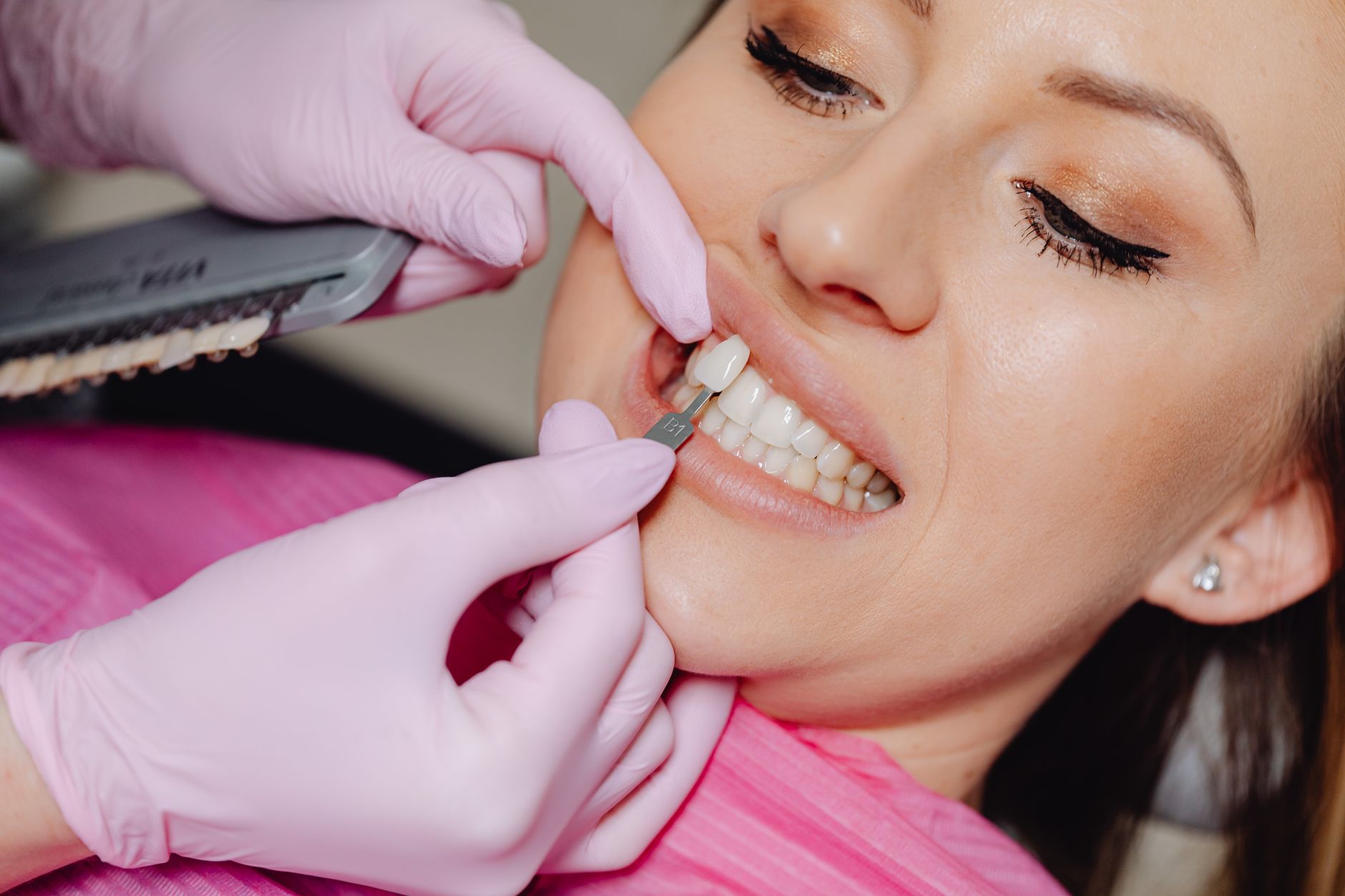
You may have been thinking about changing your smile for months, maybe longer. One day it feels urgent because of a photo, a wedding, a job interview, or the way you cover your mouth when you laugh. The next day you wonder if you should wait, save more money, fix one tooth first, or deal with a nagging gum issue before doing anything cosmetic. That back and forth is common. A smile makeover is not just about looks. It is also about health, planning, healing time, and making choices you will still feel good about later. For patients seeking comprehensive dental care in Lenoir City, it can also be a chance to address underlying issues while creating a smile that feels natural and lasting.
The timing of a smile makeover depends on more than your schedule. Tooth and gum health, the kind of treatment you need, how fast your body heals, and even health conditions like diabetes can all affect when treatment starts and how long it takes. If you are trying to figure out the best time for a smile makeover timeline, the clearest answer usually comes from looking at the whole picture, not just the calendar.
Your oral health sets the pace for cosmetic dental treatment
If your teeth and gums are not stable, cosmetic work often has to wait. Cavities, cracked fillings, bite problems, and gum inflammation can change the treatment plan fast. Whitening, veneers, bonding, or crowns placed on an unhealthy foundation rarely hold up the way you want them to.
Gum disease is one of the biggest reasons treatment gets delayed. Swollen or bleeding gums can affect impressions, final fit, and the look of your gumline. If you have tenderness, bad breath, or gums that pull away from the teeth, your dentist may want to address that first. The CDC explains how gum disease develops and why early care matters.
This can feel frustrating when the thing you want is cosmetic improvement, not another round of treatment. Still, dealing with the health issue first usually saves time, money, and disappointment later.
The type of smile makeover changes the timeline
Some smile changes are quick. Teeth whitening or small bonding repairs may take one visit or a few short appointments. Veneers, crowns, clear aligners, implants, and gum reshaping take more coordination and healing. If your plan includes several treatments, the order matters just as much as the treatments themselves.
A person who wants straighter, whiter, more even teeth may need aligners first, then whitening, then bonding or veneers. Someone replacing missing teeth may need extractions, bone healing, implant placement, and final restorations over several months. That is why cosmetic dentistry timing is rarely one size fits all.
Your body’s healing time matters more than many people expect
Even when treatment itself is straightforward, your mouth may need time to settle. Gums need time to calm down after deep cleanings. Teeth may need time after whitening before shade matching for crowns or veneers. Extraction sites and implant areas need healing before the next phase can begin.
If sedation, surgery, or multiple restorations are involved, recovery can also affect work, speaking, eating, and social plans for a few days. That matters if you are trying to finish treatment before a major event. Rushing the process often creates more stress than spacing it out wisely.
Medical conditions can delay or reshape a dental makeover schedule
Your general health is part of the timeline. Diabetes, autoimmune conditions, dry mouth, smoking, and some medications can affect healing, gum health, and infection risk. If blood sugar is not well managed, gum inflammation can be harder to control and healing may take longer. The CDC’s guidance on diabetes and oral health outlines that connection clearly.
Some people also need medical clearance before certain procedures. Others need to pause treatment because of pregnancy, a new diagnosis, or a medication change. None of that means you cannot move forward. It means your dentist needs a plan that fits your health, not just your wish list.
Budget and phased treatment often influence when you begin
Many people assume they need to do everything at once or not at all. That is not true. A good smile makeover plan can often be phased. You might start with gum treatment and one visible front tooth, then complete whitening or veneers later. You might replace a failing crown now and save elective changes for a second phase.
That approach can make care more manageable, especially if insurance helps with restorative work but not with cosmetic upgrades. It also gives you time to adjust to changes and make thoughtful decisions instead of fast ones.
Lab work, specialist referrals, and complexity can add time
Not every delay happens in the chair. Custom crowns, veneers, implant parts, and retainers often require lab work. If your case involves an orthodontist, periodontist, or oral surgeon, scheduling across offices can stretch the timeline. A temporary restoration may be needed while final work is being made.
In more complex cases, your dentist may also use scans, wax-ups, or mock-ups so you can preview shape and size before final treatment. That extra planning takes time, but it often prevents regret.
Urgent dental problems can move ahead of cosmetic goals
Pain changes priorities fast. An infected tooth, broken crown, swelling, or severe sensitivity may need immediate care, even if your main goal was a better-looking smile. If an extraction becomes necessary, your dentist may discuss options such as a tooth extraction procedure and how it affects the rest of your plan.
This is where people often feel discouraged. You came in wanting confidence, and now you are hearing about repair work first. Still, emergency treatment is not a detour from your goal. It is often the step that makes the final result possible.
Common treatment timing differences at a glance
| Factor | Shorter Timeline | Longer Timeline |
| Oral health status | Healthy gums, no decay, stable bite | Gum disease, cavities, infection, bite issues |
| Treatment type | Whitening, minor bonding | Veneers, aligners, implants, full rehabilitation |
| Healing needs | Noninvasive care, little recovery | Extractions, surgery, gum therapy, implant healing |
| Medical factors | No major healing concerns | Diabetes, smoking, dry mouth, medication effects |
| Case coordination | Single provider, simple lab work | Specialist referrals, custom lab cases, multiple phases |
Three steps that help you move forward without guessing
1. Get a full exam before choosing cosmetic treatment. A photo online or a quick whitening consult cannot show the full story. You need X-rays, gum evaluation, bite review, and a clear look at any old dental work that may fail under pressure.
2. Work backward from your deadline. If you have a wedding, reunion, or work event, share that early. Your dentist can tell you what is realistic, what should happen first, and what should wait until after the event so you do not end up with rushed choices.
3. Ask for a phased plan in writing. If the full treatment feels overwhelming, ask for options. A staged plan can separate urgent care, functional repair, and cosmetic upgrades so you know what comes first and why.
You do not need to have every answer before you start. You just need a plan that respects your health, your budget, and the way you actually live. The right timing for a smile makeover is the one that gives your teeth a stable foundation and gives you room to move forward with confidence. If you are considering care from a general and cosmetic dentist, schedule a consultation and ask what needs to happen now, what can wait, and what timeline makes sense for your smile.