
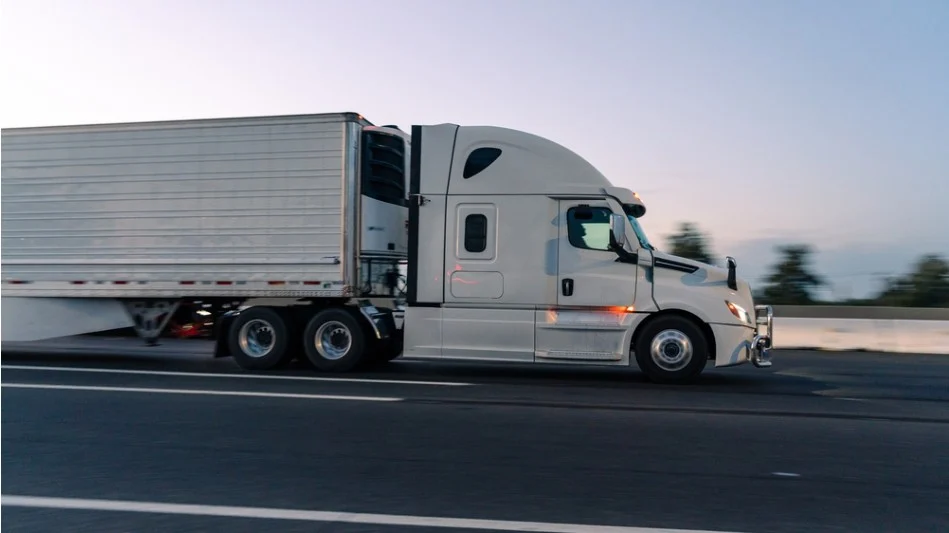
Paperwork starts multiplying long before answers begin arriving. A truck accident that involves several insurance companies often feels less like one case and more like several smaller battles happening at the same time. One company asks for documents while another reviews reports and a third studies photographs from the scene. Each insurer enters the process with its own goals, rules, and timelines.
That creates a situation very different from an ordinary crash involving two drivers. Discussions surrounding a truck accident lawyer often begin here because truck collisions rarely travel down a simple road once multiple insurers become involved.
Why Several Insurance Companies May Be Involved
Commercial trucking operates through layers of ownership and responsibility. The truck driver may carry one policy while the trucking company carries another. The trailer may belong to a different business entirely, and the cargo inside the trailer could be insured by someone else.
A maintenance contractor may also have insurance if poor repairs contributed to the collision. If another passenger vehicle was involved, that driver’s insurance company may become part of the case as well.
What first appears to be one accident can quickly turn into a conversation involving several businesses, several policies, and several adjusters reviewing the same event from different directions.
Different Policies Connected to the Crash
Several types of insurance coverage may appear during these investigations:
- Commercial truck insurance
- Employer liability coverage
- Trailer coverage
- Cargo insurance
- Maintenance contractor insurance
- Personal vehicle insurance for other drivers
Each policy may cover a different part of the losses connected to the accident.
How Insurers Divide Responsibility
Insurance companies begin by reviewing the actions of the parties they represent. A trucking company’s insurer may focus on the truck driver’s actions while another insurer studies maintenance records or cargo loading procedures.
Responsibility is not always placed on one party alone. One company may accept partial fault while another accepts responsibility for a separate part of the crash. Investigators may review contracts, company records, inspection reports, and driving history before reaching conclusions.
Truck accidents often involve large amounts of money because injuries can be severe and property damage can spread across several vehicles. Because of that, discussions about responsibility can become lengthy and detailed.
Why Insurance Companies Blame One Another
Every insurance company tries to reduce the amount it must pay. That simple fact shapes much of the process after a truck accident involving several insurers.
One company may argue that the truck driver made an error while another claims poor vehicle maintenance created the danger. A cargo insurer may point toward improper loading practices while another insurer may blame another motorist on the road.
These disagreements do not necessarily mean anyone is acting unfairly. Insurance companies are expected to investigate carefully before accepting responsibility. Still, these investigations can slow progress and create frustration as each company waits for information from the others.
Questions about ownership, employment status, and equipment responsibility often become part of those discussions as well.
Evidence That Connects Each Party to the Crash
Evidence does more than explain how a crash happened. It also helps determine which companies and policies should be involved in the claim.
Driver logs may show hours spent on the road before the collision. Maintenance records may reveal mechanical problems. Cargo documents may identify who loaded the trailer and whether weight limits were exceeded.
Electronic data stored inside commercial trucks can provide information about speed, braking, and steering activity. Traffic camera footage and witness statements may help investigators compare timelines and events.
Every document becomes another piece of a larger puzzle that investigators must assemble carefully.
The Effect on Compensation and Payment
Several insurance claims policies can sometimes create access to more coverage for serious injuries and financial losses. Medical expenses, lost income, rehabilitation costs, and vehicle repairs may involve contributions from more than one insurer.
At the same time, policy limits still matter. Some insurers may pay only for certain losses while another policy applies to different damages.
Payment responsibility can be divided among companies depending on their level of involvement in the accident. That process takes coordination and detailed review of each policy’s terms and coverage limits.
Problems That Can Slow the Claim
Multiple adjusters often mean multiple requests for records and statements. Investigations may move at different speeds and findings may not always match.
Disagreements about fault percentages, missing records, and questions about policy priority can all delay progress. Low settlement offers may also appear if insurers believe important information has not yet been reviewed.
Keeping records organized becomes especially important in these situations because paperwork tends to grow quickly.
Closing Thoughts
Truck accidents involving several insurance companies rarely follow a straight line from investigation to payment. Every policy, business relationship, and piece of evidence can influence the direction of the case. Careful review often becomes necessary before responsibilities are divided and compensation discussions begin.
Questions involving a truck accident lawyer frequently arise in truck cases because multiple insurers can turn one collision into a complicated network of competing interests and overlapping coverage.