
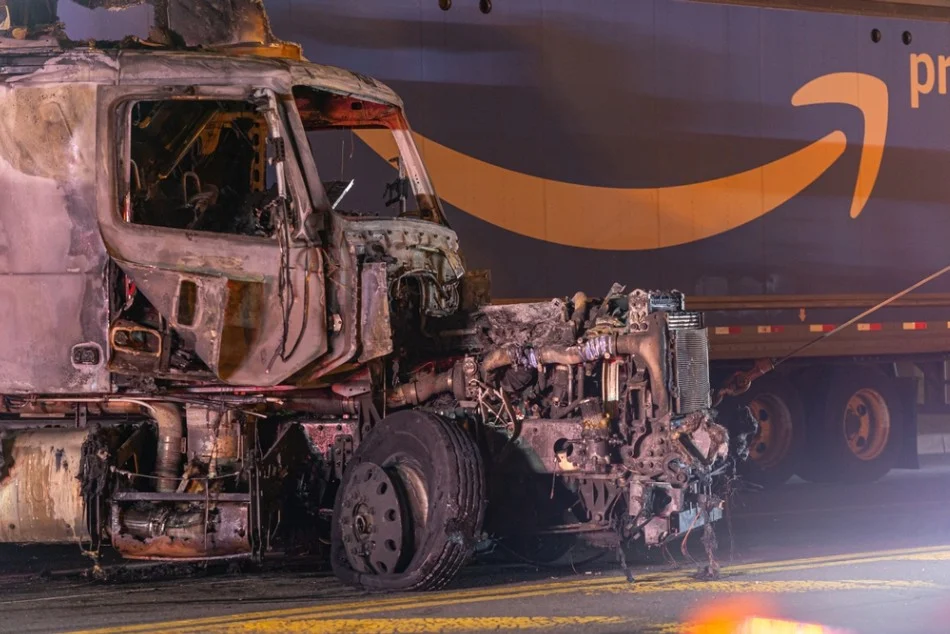
Delivery trucks have become a familiar part of everyday traffic, moving through neighborhoods, highways, and busy city streets from morning until night. Although they help bring packages quickly, accidents involving these vehicles can leave people facing injuries, damaged cars, and confusing insurance questions. An Amazon truck accident case may involve more than one company or insurance policy, making the claims process different from many other vehicle collisions. Understanding how these claims are generally reviewed can help reduce uncertainty and make the paperwork easier to follow. A little knowledge at the beginning often prevents bigger questions later.
Why Amazon Truck Accident Insurance Claims Can Be More Complex
Not every delivery truck on the road is owned or operated in the same way. Some vehicles may be connected to Amazon, while others may be operated by delivery service partners or companies working under separate agreements. Because of this, insurance claims often require additional review before responsibility and available coverage can be determined.
Different Delivery Partners
Many deliveries are completed through different business arrangements. Depending on the vehicle involved, the driver may work for a delivery company that provides services rather than being directly employed in the same way as other workers. Insurance companies often review these details as part of their investigation.
Multiple Insurance Policies
Some accidents involve more than one insurance policy. Before making decisions, insurance companies may first determine which policy applies to the accident and whether additional coverage is available. This review can take time because each policy has its own terms and coverage limits.
Additional Investigation
Insurance companies usually gather police reports, photographs, witness statements, vehicle information, and other available evidence before moving forward with the claim. They may also review delivery records and accident reports to better understand how the collision happened.
What Can Affect Your Insurance Claim?
Every accident is different, and insurance companies evaluate several details before deciding how a claim should move forward. The available evidence and documentation often play an important role throughout the review.
The Available Evidence
Photographs, police reports, witness statements, traffic camera recordings, and vehicle damage all help explain what happened during the collision. Strong documentation often creates a clearer picture for insurance companies reviewing the claim.
The Severity of the Injuries
The type of injuries, the medical treatment received, and the length of recovery may all affect how a claim is evaluated. Medical records help document the injuries and the care needed after the accident.
Property Damage
Insurance companies also examine the damage to every vehicle involved. Repair estimates, inspection reports, photographs, and replacement costs help determine the financial loss connected to the collision.
Insurance Coverage
Coverage depends on the insurance policies connected to the accident. Policy limits, deductibles, and available benefits may influence which expenses qualify for payment during the claims process.
Why Documentation Can Make a Difference
Insurance companies rely on documents to understand both the accident and the losses connected to it. Complete records create a clearer picture of what happened and help support the information included in the claim. Missing paperwork may lead to delays because insurers often need enough information before making decisions about coverage and compensation.
Keeping these records organized may help throughout the insurance review:
- Police accident report
- Medical records and hospital discharge papers
- Medical bills and prescription receipts
- Photographs of the accident scene and vehicle damage
- Repair estimates and vehicle inspection reports
- Witness names and contact information
- Communication with insurance companies
- Records showing lost income or missed work because of injuries
Even small documents can become valuable later. Organized paperwork helps insurance companies review the claim more efficiently and provides a better understanding of the financial and physical impact of the accident.
Common Challenges During the Insurance Process
Insurance claims do not always move forward without delays. Some situations require additional investigation before insurance companies can complete their review.
Missing evidence may slow the process if important photographs, witness statements, or official reports are unavailable. Questions about insurance coverage may also require additional time if more than one policy could apply to the accident.
Conflicting statements from drivers or witnesses sometimes lead to further investigation before responsibility can be determined. Insurance companies may request additional documents or information while reviewing the available evidence.
Every accident creates different circumstances, which is why the length of the review process often varies from one claim to another.
Every Claim Depends on the Facts
No two delivery truck accidents follow exactly the same path because every claim is shaped by different evidence, insurance coverage, injuries, and documentation. Staying organized, seeking medical attention, and keeping complete records may help create a clearer picture of the losses connected to the collision. Insurance companies carefully review these details before making decisions about coverage and compensation. An Amazon truck accident case may involve additional investigation because of the different businesses and insurance policies connected to the vehicle, making complete documentation especially important throughout the claims process.