
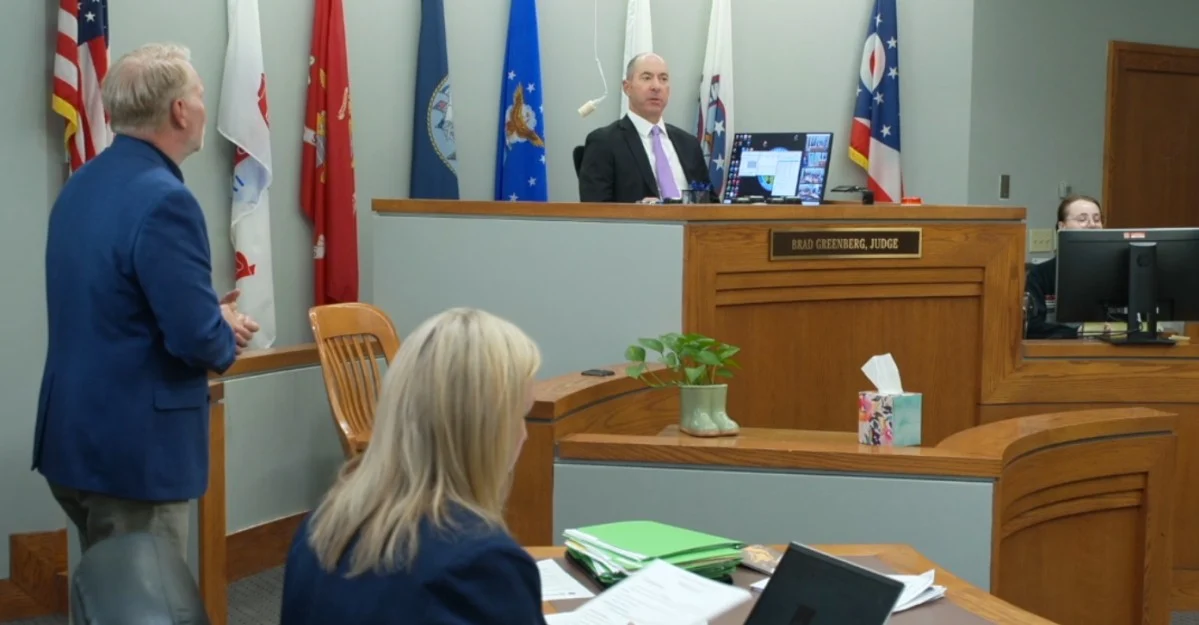
Military duty can scar forever. Some are easy to spot. Some are hidden for years. Many veterans return with stress, trauma or health issues that affect their day-to-day life. Those struggles can sometimes lead to legal trouble. Criminal charges don’t wipe away years of meritorious service. It doesn’t mean someone can’t reconstruct their future, either. That’s where Kansas City’s specialty courts come in. Veterans Court offers another avenue for eligible veterans. The program is not about punishment but about helping people deal with the reasons for their legal difficulties. Treatment. Accountability. Support. We’re a team. The mission is simple: help veterans go forward. Awareness is one way organizations like Beyond the Bench KC support this aim. They think that true justice begins with addressing core causes of criminal conduct and building healthy futures.
A Different Approach to Criminal Cases
Veterans Court is part of the wider system of Kansas City Specialty Courts. It provides services to veterans who have criminal cases arising out of issues related to military service. Many of the participants struggle with:
- Post-traumatic stress disorder
- Anxiety or depression.
- Substance abuse
- Brain injury
- Struggle to adjust to civilian life
These issues can interfere with judgment and decision making. A small error can turn into a legal case before you know it. The Veterans Court is cognizant of these problems. The court wants accountability, but it attaches that accountability to therapy and advice. That is a big difference.
First Rehabilitation
Here’s the deal. Jail alone typically doesn’t fix personal problems. A veteran who walks out of detention without treatment may face the same issues again. The Veterans Court tries to break that cycle. Everyone is in a court-ordered treatment program. The plan is tailored to the individual’s needs but often consists of counseling, mental health care, substance use treatment and regular court check-ins. The process demands commitment. Progress is a series of small steps. Some days are easy days. Some aren’t. It’s alright.
Who Should Apply?
Not all veterans are automatically sent to Veterans Court. Eligibility is based on numerous factors, including:
- Military service record
- The nature of the criminal charge
- Background and personal history
- Risk and treatment requirements
- Court order
Each case is reviewed carefully.The intent is not to excuse criminal action. The court is interested in people who take responsibility, who are striving for positive change.
Weekly Court Hearings and More
People usually think of a court as a brief hearing before a judge. Veterans Court is a different animal. Participants attend regular court sessions, but that’s only one part of the program. Many also include:
- Provider Treatment
- Probation Officer
- Seasoned mentors
- case managers.
- Social support services.
It’s like trying to fix a house after a hurricane. One broken wall isn’t going to make the home safe again. Each damaged region needs to be dealt with. Same thing here.
Veteran Mentors Are Important
One thing distinguishes Veterans Court. Veteran mentors walk with participants every step of the way. Mentors understand military life because they lived it themselves. They know the culture, the pressures and the hard transition back to civilian life. Sometimes a short chat with another veteran is worth more than hours of counseling with someone who doesn’t have the shared experience. That relationship creates trust. Confidence produces better results.
Accountability Still Counts
Some people think rehabilitation is a way of evading responsibilities. That’s not how Veterans Court operates. Participants have to follow strict program rules. They go to treatment, they show up for court, they do their homework, they stay engaged. Sanctions may be applied for missed appointments or repeated breaches. Success is hard work. The court is there to help you, but you have to do the work.
Family Benefits as Well
Law trouble hardly ever strikes at one person. Wives are worried. Parents are worried. Kids may see changes even when adults think they can’t. When soldiers get the right care and support, families frequently begin to recover too. Better communication, stable jobs, better mental health and fewer legal troubles mean stronger homes. But that rippling effect extends well beyond the courtroom.
Community Support Speeds Recovery
Recovery is not done in a vacuum. Once in the program, veterans often need help with housing, job training, medical care, counseling or education. Community groups are valuable in linking participants to those services. That’s one reason organizations such as Beyond the Bench KC continue to raise awareness of Kansas City Specialty Courts. With better public knowledge, we can assist in establishing stronger community support for veterans as they seek to recover and grow as individuals. Sometimes a little help at the proper time can turn a person’s life around.
Why It Works
Treatment addresses problems that punishment cannot. Mental health care helps veterans deal with trauma. Substance abuse treatment decreases the likelihood of future arrests. Regular court reviews keep participants on the path. Mentors help you keep your spirits up when the going gets tough. Community programs support veterans in creating stable lives. These pieces go together like pieces of the same puzzle. Take away one and it is much tougher to progress.
Looking to the future
Transitioning out of military service is rarely simple. Eventually, some veterans’ concealed troubles find their way into the criminal court system. Another route is through Veterans Court. The program asks participants to take responsibility, while giving them access to treatment, guidance and community support. That combo helps a lot of vets get back on their feet and develop confidence. It takes time to recover. Progress is never perfect. But each positive step opens up another opportunity to work toward a healthier future, greater connections and a life beyond the courts.
Frequently asked questions (FAQ)
- What is the Veterans Court in Kansas City?
Kansas City Veterans Court is a Specialty Court program for qualifying veterans facing specific criminal charges. It blends treatment, supervision and accountability to address the issues that contributed to the offense and helps participants build healthier lives.
- Who is eligible for Veterans Court?
Eligibility is based on a number of factors including military service, the nature of the criminal charge, treatment needs, criminal history and court approval. Each case is reviewed individually before admittance.
- How long is the Veterans Court program?
How long you stay depends on your development and treatment plan . Many programs are from several months to over a year long, and involve regular court appearances and ongoing supervision.
- What is the role of veteran mentors?
Veteran mentors can provide guidance, encouragement and practical support throughout the program. Both are military veterans, which helps build trust and provides participants with someone who understands the unique challenges of military and civilian life.
- What support does Beyond the Bench KC provide for Veterans Court?
Beyond the Bench KC educates the public and builds community support for the Kansas City Specialty Courts. The organization advocates for rehabilitation by helping people understand that true justice is accomplished by addressing the root causes of criminal behavior while encouraging positive change.