
You are probably keeping track of everyone else’s needs before your own. Medications, school forms, meals, rides, bedtime routines, follow up calls. Oral health can slide down the list, not because you do not care, but because there is only so much time and energy in a day. That is where Family Dentistry And Preventive Care For Caregivers and dental care for families in Peshtigo matters most. It gives you a simpler way to protect the people you love before small dental problems turn into pain, missed work, missed school, or costly treatment.
If you care for children, aging parents, a spouse with health needs, or a family member with disabilities, you already know the pattern. A skipped cleaning becomes tooth pain. A child who resists brushing ends up with cavities. An older adult with dry mouth starts having trouble eating. The goal is not perfection. The goal is a routine that keeps problems smaller, easier, and less expensive.
Preventive family dental care reduces stress before problems grow
Caregiving often means living in reaction mode. You handle what is urgent first, then circle back to the rest if there is time. Teeth do not always give you much warning. A cavity can stay quiet until it hurts. Gum disease can build slowly and show up as bleeding, bad breath, or loose teeth later. Preventive visits help catch these changes early, when treatment is usually simpler.
The daily part matters just as much. The CDC shares clear guidance on oral health prevention, including brushing with fluoride toothpaste, cleaning between teeth, and keeping regular dental visits. Those habits sound basic, but in real homes they get complicated fast. Maybe your child falls asleep in the car. Maybe the person you care for refuses help. Maybe you are reminding everyone else and forgetting yourself.
That does not mean the system is failing. It means the routine needs to fit your real life. A family dentist can help you build care around your household, not around an ideal schedule that never happens.
Caregivers face different oral health risks at every age
Children need supervision longer than many parents expect. Even when they want to help, they often miss the gumline or rush through brushing. The CDC offers practical oral health tips for children that support cavity prevention from the start. That matters because baby teeth hold space for adult teeth, support speech, and affect eating. Treating them as temporary does not make the problems temporary.
Adults in caregiving roles face a different issue. Stress changes routines. You snack more, sleep less, grind your teeth, or postpone appointments. If you are managing diabetes, heart disease, pregnancy, or medications that cause dry mouth, your dental risk can rise even more. Caregiving also carries emotional strain, and the pressure can make any personal health task feel optional.
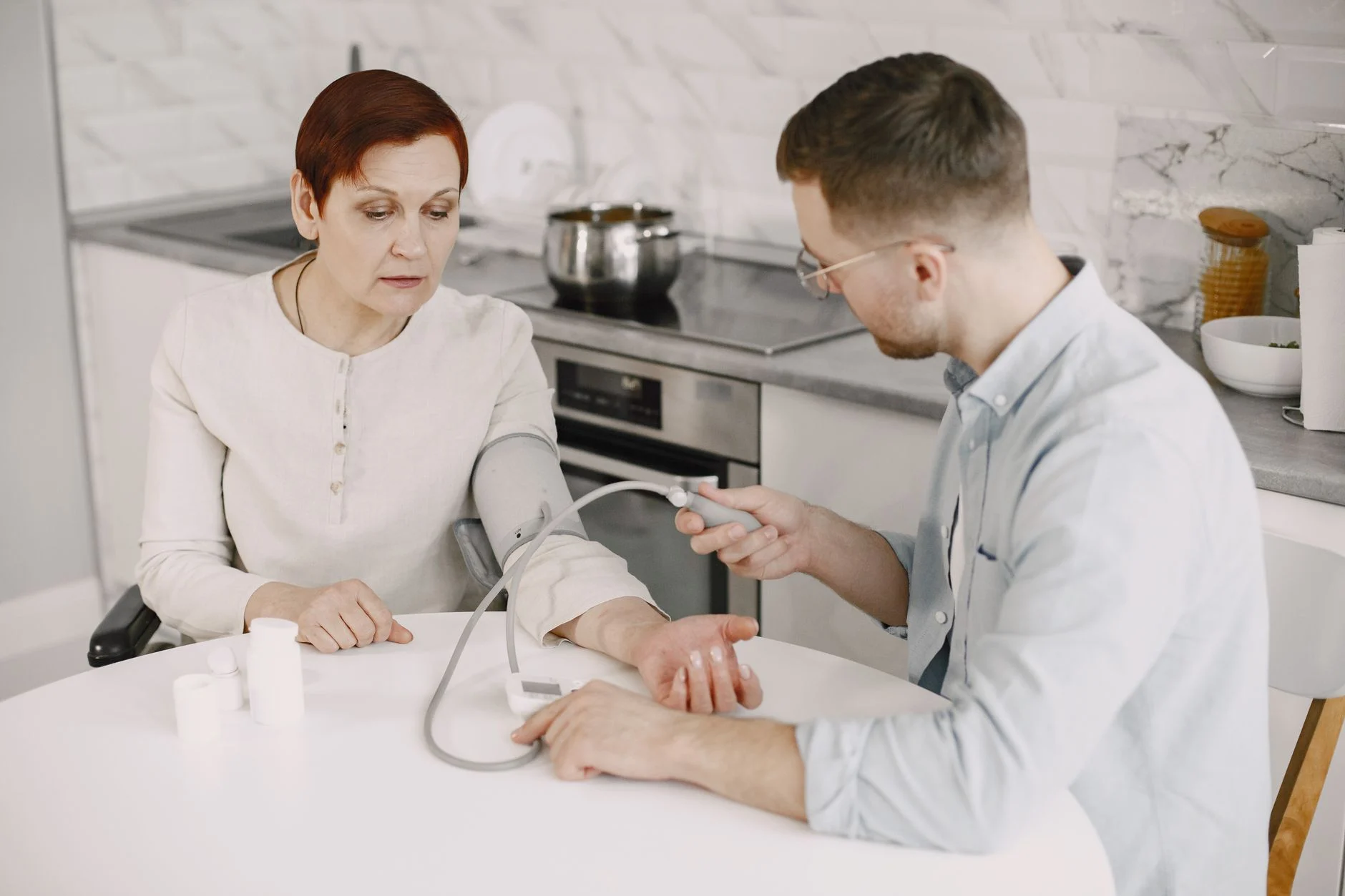
Older adults and people with chronic illness often need hands on support. Arthritis can make brushing hard. Memory loss can lead to skipped hygiene. Dry mouth from medication can increase decay fast. MedlinePlus has useful support for caregivers who are balancing health needs across the home. When oral care gets folded into all the other care tasks, it stops being one more burden and starts becoming part of the routine.
Family dentistry gives caregivers one place for steady, preventive support
A family dental office can simplify more than people realize. You may be able to schedule multiple relatives on the same day, track cleanings in one place, and get age specific advice without starting over at each stage of life. That consistency helps when one child needs sealants, another needs braces monitoring, and a grandparent needs help managing dentures or gum disease.
Preventive dental care for families also lowers the chance of emergency visits. That matters when your calendar is already full. A routine exam may catch enamel wear, early cavities, signs of clenching, or soft tissue changes before they become painful. A cleaning may remove buildup that no home routine can fully handle. Fluoride treatments and sealants may add another layer of protection for children who are cavity prone.
| Approach | Short Term Effect | Long Term Cost and Impact |
| Skipping routine cleanings and exams | Saves time this month | Higher chance of fillings, crowns, pain, missed school, and urgent visits |
| Home brushing only | Helps reduce plaque when done well | May miss tartar buildup, early decay, gum issues, and bite problems |
| Regular preventive visits with a family dentist | Requires planning and appointment time | Better chance of early treatment, lower stress, and more predictable expenses |
| Age specific prevention like fluoride and sealants for kids | Adds support beyond daily brushing | Can reduce cavity risk and avoid more invasive treatment later |
Small systems make oral care easier to keep up with
The hardest part is rarely knowing what to do. It is doing it when someone is tired, resistant, in pain, or running late. A short evening checklist on the bathroom mirror can help. So can keeping floss picks where they are easy to reach, using a timer for children, or pairing brushing with the same song each night. For adults with limited mobility, adaptive toothbrush handles or electric brushes may make the job easier.
This is also where a dentist for all ages can be useful. You are not just getting treatment. You are getting practical advice for your specific home. If your child gags while brushing, if your parent refuses dentures, if your spouse has dry mouth from medication, those details matter. Prevention works best when it is personal.
Three steps caregivers can take right away
1. Put every household member on one dental calendar. List cleanings, follow ups, fluoride needs, and supply refills in the same place you track school and medical appointments. That removes guesswork and cuts down on missed visits.
2. Watch for the quiet warning signs. Bleeding gums, bad breath, mouth dryness, tooth sensitivity, white spots on teeth, trouble chewing, and avoiding cold foods all deserve attention. Pain is a late sign, not the first sign.
3. Ask for a prevention plan that matches real life. If mornings are chaos, say that. If the person you care for resists brushing, say that too. A good family dentist can suggest tools, timing, and treatments that fit your routine instead of adding more pressure.
Steady dental care protects the whole household
You do not need a perfect routine to make a real difference. You need a realistic one, support that fits your family, and preventive care that catches trouble before it grows. When you are carrying so much already, that kind of structure can take one more source of worry off your plate.
If your family is overdue for care, schedule a visit with a family dentist and get everyone back on a plan that feels manageable.