
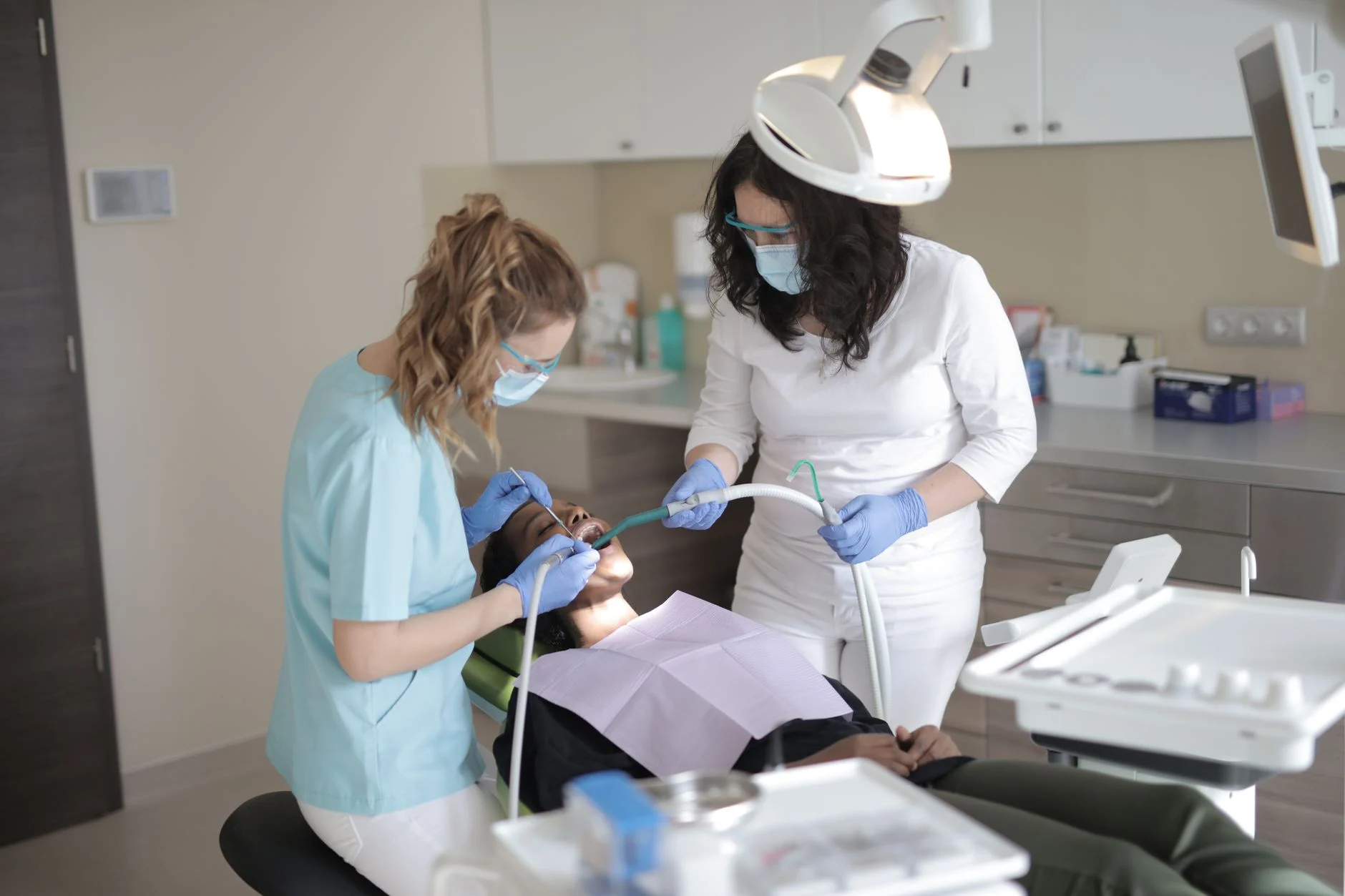
You know the feeling. The appointment is on the calendar, your child has already started saying they do not want to go, and you are trying to stay calm because if you look nervous, they pick up on it right away. A visit to the dentist in Villa Park, Illinois can turn into a whole family event, with bribes, tears, and a long drive home that leaves everyone worn out.
That stress is common, and it is one reason many parents put off routine care longer than they planned. The hard part is that avoiding the dentist usually makes the next visit harder, not easier. Kids build up fear around the unknown, and small issues can grow into painful ones. The good news is that many family practices know this pattern well, and they use simple, thoughtful ways to help children feel safe, curious, and even proud of getting through an appointment.
3 strategies family dentists use to make visits fun for kids often come down to the same goal. They replace fear with familiarity, choice, and positive attention. When a child feels included instead of managed, the whole visit changes.
Family dentists reduce fear by making the office feel predictable
Kids usually do better when they know what is coming. Fear grows fast when a child walks into a bright room, sees large tools, and has no idea what will happen next. A strong kid friendly dental visit starts before anyone sits in the chair. Staff may greet children by name, show them the room, explain the mirror and suction in simple words, or let them watch a quick demonstration on a stuffed animal or a parent first.
That kind of preview matters because children often fear the surprise more than the treatment itself. If your child hears, “This tool counts your teeth,” instead of hearing nothing at all, their body relaxes. If they are told, “You may hear a buzzing sound, and it will stop soon,” they do not have to imagine something worse.
More families are seeing the value of early, routine dental care, and pediatric providers are getting more support as awareness grows. The increase in children’s dental visits and support for pediatric providers reflects a broader push to make care easier to access and less intimidating for families.
Predictability also helps after the visit. A child who leaves saying, “First they looked, then they cleaned, then I got a sticker,” is building a memory of order, not chaos. That memory shapes the next appointment.
Fun pediatric dental care works best when kids get small choices
Children do not control much in a dental appointment, and that loss of control can trigger resistance fast. Family and cosmetic dentist offices that work well with kids often build in small choices that still keep treatment on track. A child may choose the toothpaste flavor, the color of their toothbrush, the show playing overhead, or whether the chair goes back slowly or a little faster.
Those choices may seem minor to an adult, but to a child they can feel huge. They signal respect. They tell your child, “You are part of this.” That lowers the urge to fight every step.
Think about a child who already hates loud sounds, new places, and people standing too close. If that child gets rushed into the chair and told to open wide, the visit may fall apart in minutes. If the same child gets to hold the mirror, press the button that raises the chair, and pick bubblegum toothpaste, the experience feels less like something being done to them.
This is also where language matters. Good family dentists avoid words that sound sharp or scary. They say “sleepy juice” less often now because clear, honest language builds trust better, but they still keep explanations simple and calm. They tell the truth in child sized pieces.
Positive reinforcement helps children connect the dentist with success
Kids repeat experiences that end well. That is why many practices use praise, reward charts, treasure boxes, and milestone language that focuses on effort. “You kept your mouth open so well” lands better than a vague “good job.” It tells the child exactly what they did right.
This works at home too. Parents can help by avoiding threats like, “If you eat candy, the dentist will have to drill your teeth.” That turns the dentist into a punishment. A better approach is to frame the visit as part of staying healthy, the same way you talk about checkups with a doctor.
Home preparation supports the office experience. The basics from this guide to caring for your child’s teeth can help you build daily habits that make visits smoother. When brushing and talking about teeth already feel normal at home, the dental office feels less foreign.
What makes a child’s dental visit easier and what makes it harder
| Approach | What the child often feels | Likely result |
| Rushed appointment with little explanation | Confused, trapped, tense | More tears, refusal, stronger fear next time |
| Simple preview of tools and steps | Prepared, calmer, less startled | Better cooperation and shorter appointment |
| No choices during the visit | Powerless, resistant | More pushback over small tasks |
| Small choices like flavor, show, or toothbrush color | Included, respected, more secure | Smoother visit and stronger trust |
| Warnings or shame before the appointment | Embarrassed, scared | Dental care feels like punishment |
| Specific praise and a reward after effort | Proud, capable | Better memory of the visit and less fear later |
Parents can make pediatric dentist appointments smoother with a few simple steps
1. Practice the visit at home. Count your child’s teeth with a toothbrush handle as a pretend mirror, have them open wide for a few seconds, and take turns being the dentist and the patient. Keep it light. The goal is familiarity, not perfection.
2. Watch your wording. Avoid saying, “It will not hurt,” because that can plant the idea that pain is expected. Say, “They are going to look at your teeth, clean them, and help keep your mouth healthy.” Calm, plain words work best.
3. Schedule with your child’s energy in mind. A tired, hungry child has less patience for new experiences. Morning appointments often go better for younger kids, especially if they have eaten and are not being pulled away from nap time.
Good family dental care helps children build confidence, not just clean teeth
The best family dental care for kids is not about tricks. It is about trust. A warm introduction, a few real choices, and praise that feels earned can change how your child sees the dentist for years. That matters because routine care gets easier when fear stops running the show.
If your child has had a rough visit before, you are not behind and you have not failed. Many children need a slower start and a team that understands their temperament. The right general dentist approach can turn dread into something manageable, then familiar, then ordinary. That is often enough to make the next visit feel completely different.