
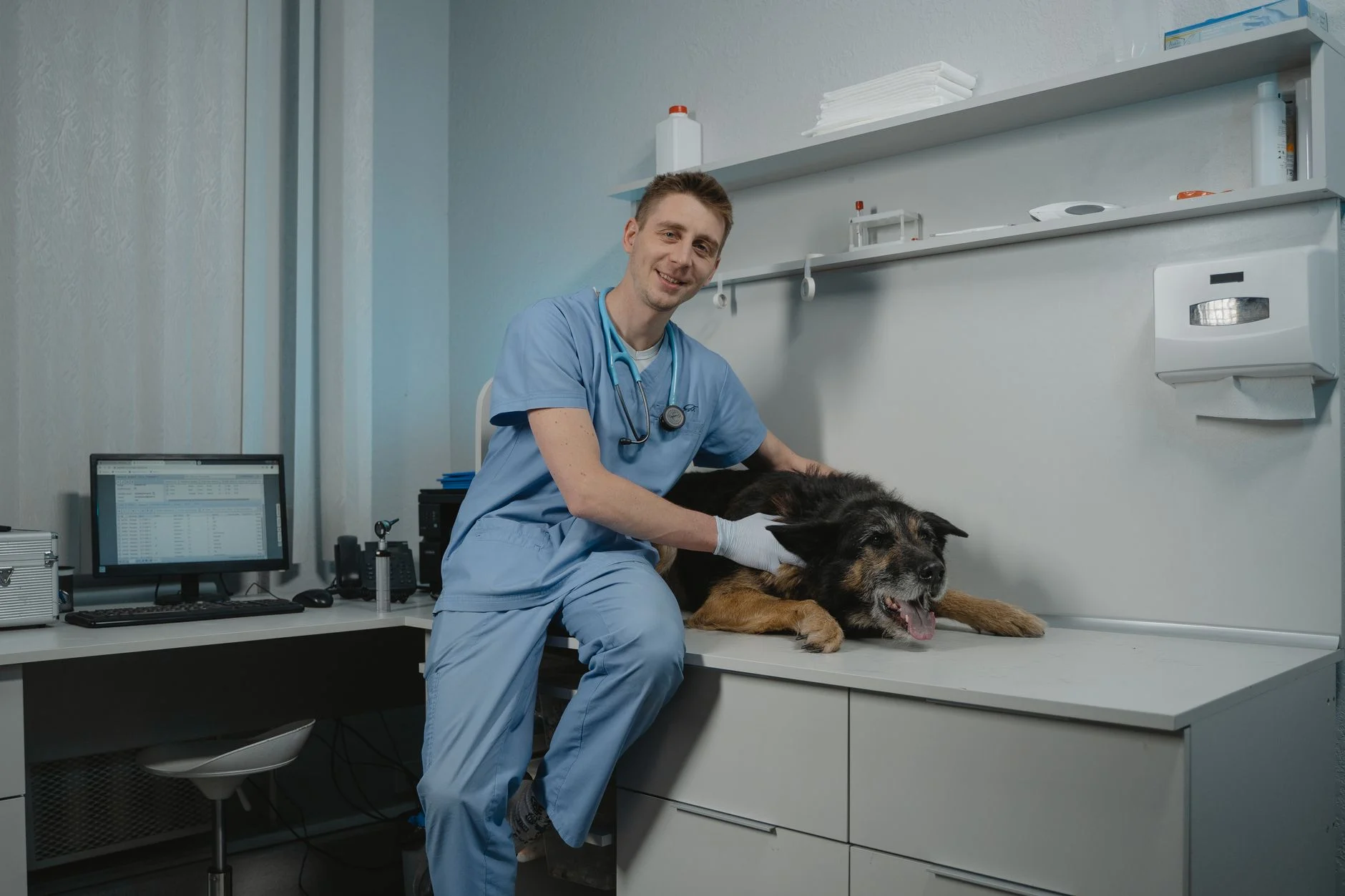
You do not think about evacuation routes, medication refills, or emergency boarding until the weather alert hits your phone and the house suddenly feels smaller. If you have pets, that stress doubles fast. You are not only trying to keep your family safe, you are also trying to protect an animal that depends on you for everything. That is where animal hospitals like Pine Island Animal Clinic in St. James City stop being a routine errand and become part of your emergency plan.
Why animal hospitals are indispensable during natural disasters comes down to one simple truth. Disasters create medical problems, transport problems, shelter problems, and communication problems at the same time. An animal clinic helps solve all four. Staff can treat injuries, access records, guide evacuation decisions, stabilize sick pets, and connect you with emergency resources when normal systems break down.
Natural disasters turn routine pet care into urgent medical care
A storm, wildfire, flood, or tornado changes the risk for pets within hours. A dog that already has heart disease may miss medication because roads are closed. A cat that panics during evacuation may stop eating, hide, or suffer heat stress in a carrier. Outdoor animals face cuts, smoke exposure, contaminated water, snake bites, and broken fencing that leaves them lost or injured.
The hard part is that many of these problems do not look serious at first. A small paw wound after debris exposure can turn into an infection. Smoke inhalation may show up as coughing and fatigue, then worsen overnight. Diabetic pets can crash if feeding schedules and insulin timing fall apart. When people try to wait it out, thinking they will deal with it after the storm passes, the condition often gets harder and more expensive to treat.
This is why pet hospitals during emergencies matter so much. They are trained to triage. They know which symptoms can wait, which cannot, and how to keep an unstable animal alive until the next step is possible. That guidance alone can spare you a dangerous guess when every minute feels loaded.
Animal hospitals support evacuation, sheltering, and reunification
Medical care is only one piece of the picture. During a disaster, pets get separated from owners, shelters fill up, and local information changes by the hour. Animal hospitals often become trusted points of contact because they already know the pets in their community. They have vaccination records, medication histories, and microchip information that can help with boarding, shelter intake, and reunification.
If you have ever tried to leave home in a rush with a frightened animal, you know how messy it gets. The leash is missing. The prescription bottle is half empty. The carrier still has a broken latch from last year. In that moment, a veterinary team can help you sort what matters first. They can tell you what medications to bring, what signs of stress to watch for, and whether your pet is stable enough for travel.
Public agencies also stress preparation because pets are often overlooked in household disaster plans. The CDC offers practical guidance for pet emergency preparedness, including supply kits and evacuation planning. The USDA APHIS outlines animal emergency programs that support response efforts on a larger scale. Veterinary schools and response teams also play a direct role. The University of Florida explains how veterinarians assist with disaster response for animals, from field treatment to coordination with emergency services.
Delays during disasters raise both emotional and financial costs
Most people worry first about the immediate danger, then the bills hit later. That sequence is common. A preventable problem becomes an emergency because care was delayed, records were inaccessible, or no one knew where to take the pet. The emotional cost runs just as deep. Guilt shows up fast when you feel unprepared, even if the situation moved too quickly for anyone to handle perfectly.
The value of animal hospitals in disasters is not only that they treat injuries. They reduce chaos. They give you a place to call when your pet is wheezing after smoke exposure, limping after broken glass, or too stressed to eat. They can document conditions for insurance or boarding, refill certain medications when possible, and advise you before a manageable problem turns into a crisis.
Prepared veterinary care is safer than waiting and hoping
| Situation | Waiting Without Veterinary Support | Working With an Animal Clinic |
| Pet needs daily medication | Missed doses, worsening symptoms, emergency relapse | Refill planning, dose guidance, safer continuity of care |
| Evacuation with an anxious or sick pet | Travel stress, dehydration, poor symptom monitoring | Pre travel advice, calming strategies, fitness for transport assessment |
| Minor injury after storm debris | Hidden infection, delayed treatment, higher cost later | Early wound care, pain control, infection prevention |
| Pet separated from owner | Harder identification, missing records, shelter delays | Access to records, microchip verification, reunification support |
| Smoke, floodwater, or heat exposure | Symptoms missed until severe | Triage, monitoring advice, emergency treatment if needed |
Small steps before a disaster can protect your pet when it counts
Build a pet emergency file. Keep vaccine records, medication lists, microchip details, feeding instructions, and your veterinary contact information in one place. Save digital copies on your phone and print a backup. If you evacuate in a rush, that file can save time you do not have.
Prepare a seven day pet kit. Pack food, water, bowls, medications, a leash, carrier, litter supplies, waste bags, comfort items, and photos of your pet. Rotate medications and food before they expire. If your pet has a chronic condition, ask your animal clinic what extra items should stay in the kit.
Call your veterinary team before the season gets serious. Do not wait for the storm warning. Ask about refill timing, after hours procedures, boarding referrals, and what symptoms mean you should seek care right away. A short call now can prevent a frantic scramble later.
Natural disasters strip away routines, and pets depend on those routines more than we realize. When roads close, shelters fill, and stress runs high, animal hospitals provide medical care, clear direction, and a steadier path through the chaos. If you have not updated your pet emergency plan yet, start with your local animal clinic and get your records, supplies, and medication needs in order now.