
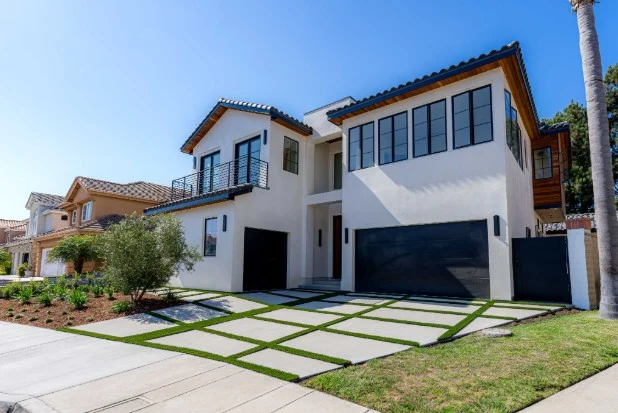
A room addition is one of the most common ways California homeowners get more space without moving. It usually costs less than buying a bigger house, and you get to stay in the home and neighborhood you already know. But the price can vary a lot from one project to the next.
This guide covers what a room addition actually costs in California, what changes the price, and what other expenses you should plan for besides the construction itself.
Average Room Addition Cost in California
Most room additions in California cost between $150 and $500 per square foot. A basic bedroom addition on a slab foundation costs less. A second story addition with new plumbing and electrical work costs more.
Here is a general breakdown by room type, based on average sizes and typical finish levels:
| Room Type | Average Size | Estimated Cost Range |
| Bedroom addition | 150 – 250 sq ft | $45,000 – $95,000 |
| Family room addition | 250 – 400 sq ft | $75,000 – $160,000 |
| Bathroom addition | 60 – 100 sq ft | $35,000 – $75,000 |
| Primary suite addition | 350 – 500 sq ft | $110,000 – $220,000 |
| Second story addition | 800 – 1,200 sq ft | $250,000 – $500,000+ |
These numbers are ballpark figures. Your actual quote depends on your city, your lot, your foundation type, and the finishes you pick. A home addition in coastal Orange County usually costs more than the same project inland, since labor and permit fees are higher near the coast.
What Drives the Cost Up or Down
A room addition price is made up of several smaller cost categories. Here are the main ones:
- Foundation type. A room built on a new slab costs less than one that needs a raised foundation or pier and beam work to match the existing house.
- Plumbing and electrical. Adding a bathroom or kitchen space means running new plumbing lines, which costs more than a simple bedroom with just outlets and lighting.
- Roofline changes. Tying a new roof into your existing roofline takes skilled labor and adds time to the project.
- Structural work. If you are removing a load bearing wall or adding a second story, you will need a structural engineer to sign off on the plans.
- Location. Los Angeles, Orange County, and the Bay Area all carry higher labor rates than the Central Valley or inland areas.
- Finish level. Basic drywall and carpet cost less than hardwood flooring, custom cabinetry, or high end fixtures.
A second story bathroom addition touches almost every category on this list. That is why it sits near the top of the price range.
Ground Floor vs. Second Story Additions
A ground floor addition extends your home’s footprint. It needs a new foundation but does not touch your existing roof structure or require reinforcing the floors below.
A second story addition works differently. Your existing foundation and framing have to support the added weight, so a structural engineer usually checks whether reinforcement is needed before construction starts. This adds time and money to the project. It also keeps your yard space intact, which matters on smaller California lots.
| Addition Type | Cost Per Sq Ft | Notes |
| Ground floor addition (basic room) | $150 – $350 | Lower cost, needs new foundation |
| Ground floor addition with plumbing | $250 – $450 | Bathroom or kitchen extension |
| Second story addition | $300 – $600 | Requires structural reinforcement |
| Bump-out or small extension | $120 – $250 | Best for adding a few extra feet |
If you are weighing a room addition against a garage conversion or an ADU, the choice usually comes down to what your lot allows and what you need the space for.
Costs Beyond the Construction Itself
The per square foot number covers materials and labor. It does not cover everything. Here are the other costs to plan for:
- Design and architectural plans. Expect to pay between $3,000 and $15,000 depending on the complexity of your addition.
- Permit fees. California permit fees vary by city and can range from $2,000 to $10,000 or more.
- Structural engineering. If your project needs an engineer’s stamp, budget another $2,500 to $8,000.
- Utility upgrades. Older homes sometimes need panel upgrades to handle the added electrical load.
- Temporary living costs. If your addition connects to your kitchen or main living space, you may need to eat out more or stay elsewhere during the messiest phase.
Every city in California has its own permit process, timeline, and requirements. Skipping this step or doing it wrong can delay your project by months.
Ways to Keep Your Room Addition on Budget
A few decisions made early on can keep your project closer to the number you had in mind.
- Stick to a simple rectangular footprint instead of an addition with lots of angles or jogs.
- Match your addition to your existing roofline where possible instead of creating a new roof plane.
- Choose mid-range finishes instead of custom or imported materials, at least for the first phase.
- Get your plans and blueprints fully worked out before construction starts so you are not paying for change orders mid-project.
- Ask your contractor about phasing the project if your budget is tight, starting with the shell and finishing interior details later.
Financing a Room Addition
Most homeowners do not pay for a room addition entirely out of pocket. Home equity loans, HELOCs, and cash-out refinances are the most common ways people fund these projects, since the home itself is usually the collateral. Rates and terms depend on your lender, your credit, and how much equity you have built up, so it helps to compare a few options.
Some contractors also offer financing programs directly. This can simplify things since you are working with one point of contact instead of a separate lender and builder. Either way, get a real construction quote before you commit to a number. A rough online estimate works for early planning, but your actual cost depends on your home’s structure, your city’s permit process, and the scope you settle on.
Planning Your Room Addition the Smart Way
Getting your numbers right early, understanding what permits you will need, and picking a general contractor in Los Angeles or your local area with real addition experience will save you a lot of headaches later. If you are ready to get a real number for your project, reach out to our team and we can walk you through what your addition would cost, start to finish. Planning a room addition in California? DYM Builders can help you plan, budget, and build your addition from start to finish.