
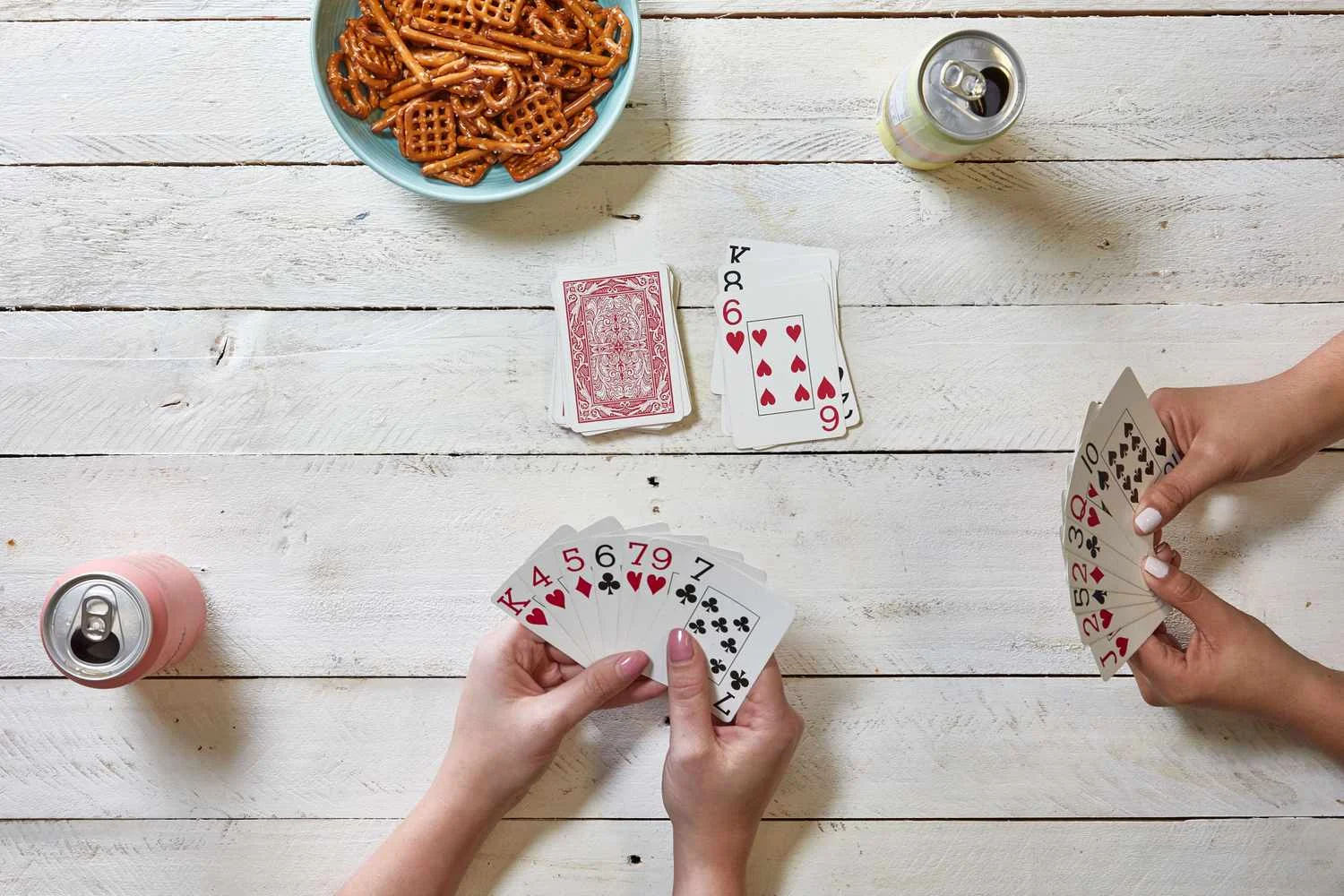
After playing enough two-player Gin Rummy matches, many players eventually reach a familiar point. The game starts to feel predictable.
You know your opponent’s habits. You recognize when they are chasing a particular run. You can often guess their strategy based on a few carefully watched discards. The match still requires skill, but the surprise factor slowly disappears.
Then someone adds a third person to the table.
At first, it seems like a small adjustment. The same deck is used, the same basic ideas apply, and the only obvious difference is one extra player waiting for their turn.
But after a few rounds, most experienced players notice something important: a three-player game is not simply a longer version of a two-player match. The extra person changes the pace, the information available, and the way every decision needs to be evaluated.
That is what makes the format interesting.
A Third Player Changes How You Read The Table
In a traditional two-player Gin Rummy match, your attention naturally focuses on one opponent. Every discard gives you information. Every card they pick up helps you build a picture of what they might be collecting.
With three players, that simple relationship disappears.
Now, every decision has multiple possible consequences. A card you discard is no longer just a message to one opponent. It becomes a choice that two different players can potentially use.
This creates a completely different type of awareness.
You start paying attention to questions that rarely matter in a one-on-one game:
Which player is building toward a specific combination?
Who is avoiding certain cards?
Is someone changing their strategy because of another player’s moves?
Players exploring different formats often find that understanding gin rummy three-player helps explain why the same basic rules can create a very different experience when another person joins the table.
The game becomes less about predicting one opponent and more about managing a constantly changing situation.
Familiar Habits Can Become Weaknesses
One reason experienced players sometimes struggle when moving to three-player Gin Rummy is that they bring old habits into a new environment.
A strategy that works well in a two-person match may not have the same value when another player is involved.
For example, holding onto a medium-value card while waiting for a possible combination can be a reasonable choice when you only need to consider one opponent. With two opponents, the situation becomes more complicated. One player might benefit from your discard before you complete your plan.
The extra player reduces the room for automatic decisions.
Instead of asking only, “Can this help my hand?” strong players begin asking:
“How many ways can this decision hurt me?”
That small change in thinking is what separates casual play from more thoughtful strategy.
Three Players Create A More Social Experience
Card games have always been about more than the cards themselves.
A large part of their appeal comes from the conversations, reactions, and small moments between players. A two-player match can feel like a quiet competition, but adding another person creates a more dynamic atmosphere.
There are more personalities at the table. More unexpected choices. More opportunities for players to influence each other’s decisions without directly competing.
I have noticed that casual players often enjoy this format because it reduces the pressure of a direct one-on-one battle. Instead of feeling like every mistake immediately decides the outcome, the game develops a more relaxed flow.
At the same time, experienced players enjoy the challenge because reading the table becomes much harder.
Patience Becomes More Valuable
A common mistake in multi-player Gin Rummy is assuming that more opponents mean you need to play faster.
Usually, the opposite is true.
With another player involved, rushing decisions can create unnecessary problems. Trying to complete a combination too quickly may force you into risky choices or cause you to ignore what the other players are revealing.
The strongest players are often the ones who know when to wait.
They are willing to change their plans. They are willing to discard a card they hoped to use. They understand that protecting their position is sometimes more valuable than chasing an aggressive move.
Three-player games reward flexibility because the table can change quickly.
Losses Become Better Learning Opportunities
One overlooked advantage of playing with three people is that mistakes become easier to study.
In a two-player match, a loss can sometimes feel like bad luck. Maybe your opponent had a better starting hand, or maybe the cards simply did not cooperate.
With three players, the reasons behind a mistake often become clearer.
After a lost round, you can usually identify the turning point:
Was a discard too risky?
Did you focus too much on your own hand?
Did you ignore signs that another player was close to finishing?
This type of reflection helps players improve faster. Good players do not only remember their victories. They analyze the decisions that led to their losses.
A three-player format creates more situations where those lessons become obvious.
Why A Third Player Can Refresh A Familiar Game
Sometimes a classic game does not need new rules to feel different. It only needs a new challenge.
Adding another player changes the balance between observation, timing, and decision-making. The foundation of Gin Rummy remains familiar, but the way players approach each turn becomes more thoughtful.
For anyone who feels that traditional two-player matches have become too predictable, inviting a third player can bring back the feeling of discovery.
The goal is not to make the game more complicated. It is to reveal another side of a classic card game.
The extra seat at the table changes everything—not because the rules are different, but because the decisions become much harder to predict.