
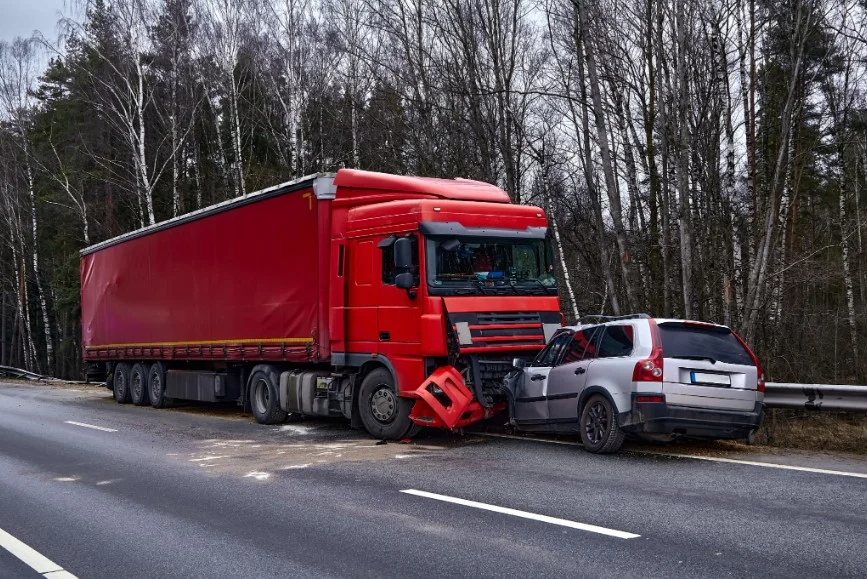
A commercial truck rarely travels alone, even though only one driver sits behind the wheel. Behind every shipment is a chain of companies making decisions about schedules, cargo, maintenance, routes, inspections, and equipment. A crash on the highway may look like the story of one vehicle and one driver, but investigations often reveal a much larger picture.
The company name printed on the trailer may only represent one piece of a complicated business network working quietly in the background. That is one reason discussions with a commercial truck accident attorney sometimes begin with paperwork instead of the truck itself.
One Truck Can Be Connected to an Entire Business Chain
Modern trucking depends on cooperation between several businesses. One company may own the truck while another hires the driver. A different business may load the cargo while another handles maintenance and repairs.
These relationships are normal parts of the commercial trucking industry. Most of the time, they work smoothly and stay invisible to everyone sharing the road.
After a collision, however, investigators may begin looking at each connection separately. The answer to what happened may exist somewhere within that larger network rather than inside a single company file.
The Driver May Be Only One Part of the Story
Truck drivers make thousands of decisions during every trip, and those decisions certainly matter. At the same time, drivers often operate inside systems created by businesses that influence schedules, routes, and delivery expectations.
A driver may be working with instructions created somewhere else. Maintenance schedules may come from another office. Cargo decisions may have been made long before the trip even started.
The investigation sometimes becomes less about individual mistakes and more about understanding how several decisions combined at the same time.
Four Companies That May Enter the Investigation
Commercial trucking investigations often involve several businesses with very different responsibilities.
The Trucking Company
The trucking company may oversee hiring, training, dispatch schedules, inspections, and company policies. Records connected to these areas may become important parts of the investigation.
The Cargo Loading Company
Cargo needs proper balance and secure placement. Improper loading can affect braking, turning, and vehicle stability during normal driving conditions.
The Maintenance or Repair Provider
Large trucks require regular inspections and repairs. Brake systems, tires, steering components, and lighting equipment all depend on proper maintenance.
The Manufacturer or Parts Supplier
Mechanical failures sometimes lead investigators toward the companies that designed, built, or supplied the equipment involved in the collision.
How One Failure Can Connect to Another
Truck crashes do not always follow a single cause. A maintenance issue may combine with cargo movement. Delivery pressure may combine with heavy traffic. Equipment concerns may become more serious because of weather or roadway conditions.
One small problem can make another problem more dangerous.
The final event visible on the roadway may actually be the result of several earlier decisions made by different people working for different companies.
That is one reason truck accidents investigations often continue growing after the first reports are completed.
The Records That Help Separate Each Company’s Role
Commercial trucking creates enormous amounts of information every day. Maintenance logs, inspection reports, dispatch messages, delivery schedules, repair invoices, and cargo documents may all become important later.
Electronic records add even more detail through GPS information, driving logs, and onboard computer systems. Each document helps investigators understand who made decisions, when those decisions were made, and how they may have affected the trip.
The paperwork often tells a story that cannot be seen from the crash scene alone.
Why Shared Responsibility Can Change the Direction of a Claim
Shared responsibility changes more than the investigation itself. It can change the questions being asked and the records being reviewed.
Instead of focusing entirely on one driver’s actions, investigators may examine company policies, maintenance histories, cargo practices, and equipment performance. A broader investigation may reveal details that were not visible during the first hours after the collision.
The story becomes larger because the business system behind the truck becomes part of the conversation.
The Importance of Looking Beyond the Name on the Truck
The logo printed on the side of a trailer often becomes the first place people look after a crash. Commercial transportation is rarely that simple.
Ownership, operations, repairs, loading, and scheduling may involve several businesses working together at the same time. Understanding those relationships often becomes an important part of understanding the collision itself.
Closing Thoughts
Truck accidents sometimes begin with a single impact on the roadway but lead investigators toward decisions made across several companies and departments. Drivers, trucking businesses, maintenance providers, cargo handlers, and manufacturers may all hold pieces of the larger story.
Looking beyond the truck itself often reveals how those pieces fit together. A commercial truck accident attorney may spend considerable time following those connections because responsibility in the trucking industry does not always stop with the person behind the wheel.